MFlenses - Una nueva vida en la era digital
MFLenses 2026

Foro de objetivos de enfoque manual

Explora el mundo de los objetivos antiguos mediante notas de reparación, pruebas reales e hilos de archivo llenos de imágenes.

Explora el mundo de los objetivos antiguos mediante notas de reparación, pruebas reales e hilos de archivo llenos de imágenes.
Destacado

Espacio de socio destacado en la portada del foro.

Night pictures
Ver tema anterior :: Ver tema siguiente  


Reply

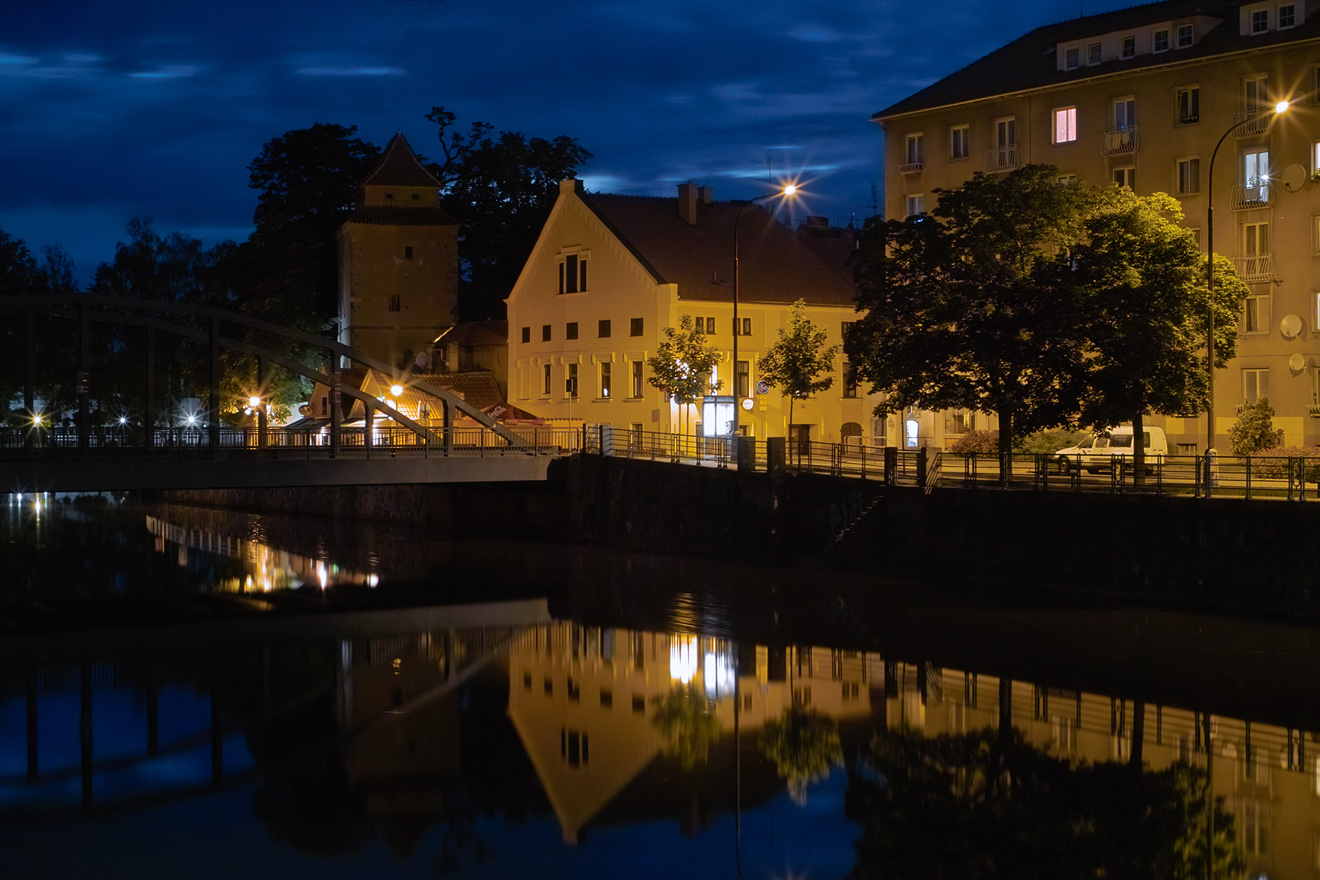
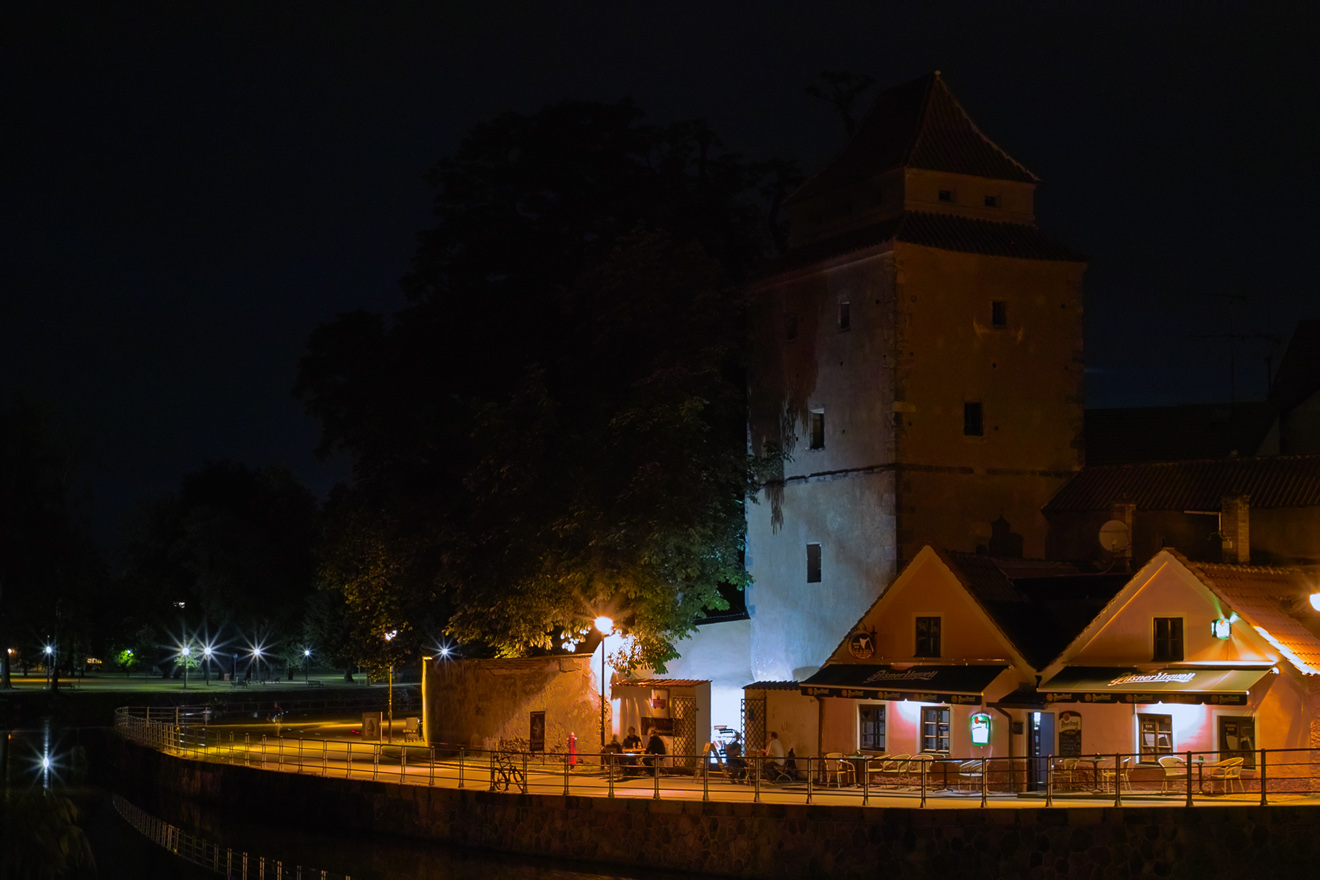
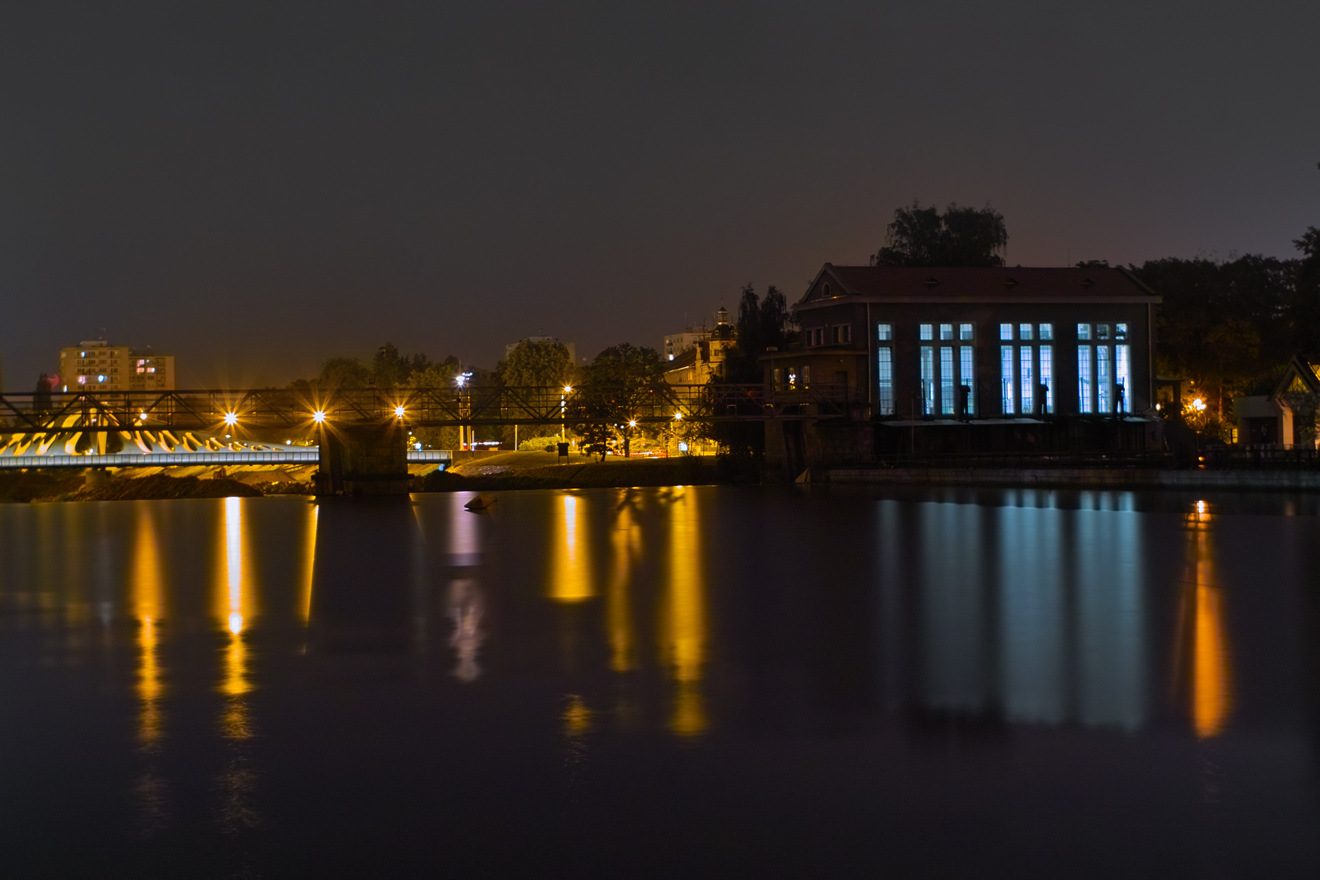
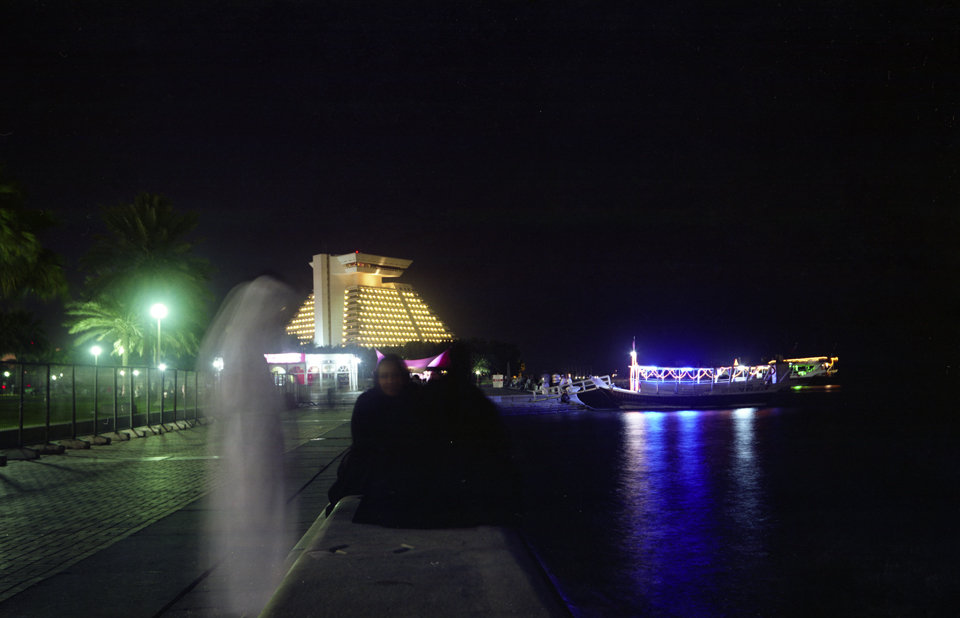
Auto Takumar 35/2.3 @f/5-f/11


Reply

Wow !

They're really beautiful.
What was the speed and did you use a tripod ?

Cheers
Oli Smile


Reply

Great results - congrats!


Reply

I love that first shot.


Reply

Schnauzer escribió:
I love that first shot.


Me too, the reflections came out great in that one.


Reply

Spectacular - I am in awe of anyone who can take night shots Smile Smile


patrickh


Reply

patrickh escribió:
Spectacular - I am in awe of anyone who can take night shots Smile Smile


patrickh


Honestly, they are not difficult. You just need a solid tripod. In some ways they are more forgiving that daylight photography, because if you shoot for 10 seconds instead of 20 seconds you are only half a stop out.


Roughly, a 20 second exposure at f14 on a folding camera.


8 second exposure at f10 on a 5D Mk2


Reply

The main issue with night shots is not to get the lightened surfaces "burn".
Which does not only happen because of overexposure, it also happen (on film especially, but also on digital) for bleeding of light on very long exposures, which creates a sort of "washed" effect on the surfaces. This is especially noticeable on buildings, rocks, similarly textured objects.

The secret is really to use either a spot meter, or go near the lightened object and take a close reading with a normal meter, or even better position yourself where the lightened object is and make an incident light reading. Ignore the dark parts, you are not going to get much detail out of them anyway, so better have the lightened parts look ok.
With digital, it is possible to make two separate shots, one for the highlights and one for the middle tones (again, ignore deep shadows) and combine the two takes in Photoshop. If you use this technique, remember to operate on the times not on the aperture (which must remain the same). Of course you must also take care of moving subjects... if there are a lot of moving subjects then it's the only situation it might be better to use a very long exposure time to erase them out.

As a general advice, do not exceed with long times. They create problems on both the film and digital. Use the shortest time possible depending on the subject and on the aperture you wish to use. Calibrate aperture on the portion of the picture that is lightened (it is useless to use a f/11 aperture if most of your landscape is in the dark, instead focus on the highlighted part and use only as much aperture as it's needed to make that part sharp)

Regarding ISO, the advice is combined with the above. Even if using tripod, I think that a medium ISO (e.g. ISO 400) with shorter times is preferable to a low ISO (e.g. 100) with longer times.


Reply

Thanks Orio for these advices.

I would like very much to read No-X about how he took these shots !

Again congrats. Smile


Reply

Thanks. There is exif info in the larger version (if you open the links in new window).

I used Auto Takumar 35/2.3 at f/11 for the first two shots and at f/5 for the last one (it rained when I took the last one, so I needed more light).

Shutter speed was 30s (maximum for SD14, I should use bulb for longer exposures) and I used my cheap Hama tripod, mirror lock-up and wireless shutter release.

I used ISO100, because SD14 has the highest dynamic range at ISO100. It also prefers longer exposures to higher ISO if low noise is a priority.

The only PP is slight noise reduction, crop of the last image and removing a few blurry branches in foreground. Here are 100% crops before noise reduction - blue seems to be most problematical, but surprisingly only on some shots:


Anyway, I'm still learning, so I'd prefer Orios technique to mine Wink