| Ver tema anterior :: Ver tema siguiente |
| Autor |
Mensaje |
cilinderman 


Registrado: 13 Dic 2008
Mensajes: 317
Ubicación: Canillo, Andorra
|
 Publicado: Mar Jun 16, 2009 7:50 am Asunto: Best budget lightmeter? |
|
Publicado: Mar Jun 16, 2009 7:50 am Asunto: Best budget lightmeter? |
|
|
cilinderman wrote:
Hi!
I've just started experimenting with some SLR and Middle Format cameras but in some of them the light meter doesn't work and in others, I think I just cannot trust the reading from the inside light meter. So I was thinking in buying a light meter. However, there are lots of models and don't know which one to buy. I'm lloking for something simple, easy and if possible, cheap, because I don't want to spend more in a light meter than with a camera or lens.
Any help  ?
Thank you very much guys!
_________________
5D & Fujica ST801|| Carl Zeiss Planar MM 50/1.7 (departed for resurrection) || Carl Zeiss Distagon 28/2.8 AEJ || Meyer Orestor "Pentacon" (relabeled) 135/2.8 || Carl Zeiss Jena 135/3.5 || Carl Zeiss Sonnar MM 85/2.8 || Carl Zeiss Flektogon MC "White" 35/2.4 || Olympus Zuiko OM MC 21/3.5 || Super Takumar 55/1.8 || Rollei Planar HFT 50/1.8 || "The three tenors" from Orio (Nikkor pre-AI 85/1.8, 135/3.5 & 105/2.5) |
|
| Volver arriba |
|
 |
Esox lucius


Registrado: 26 Ago 2008
Mensajes: 2441
Ubicación: Helsinki, Finland
Expire: 2011-11-18
|
Publicado: Mar Jun 16, 2009 8:10 am Asunto: Re: Best budget lightmeter? |
|
Publicado: Mar Jun 16, 2009 8:10 am Asunto: Re: Best budget lightmeter? |
|
|
Esox lucius wrote:
| cilinderman escribió: |
| cheap, because I don't want to spend more in a light meter than with a camera or lens. |
Cheap depends on item, for example $1400 for Nikkor 28/1.4 is a steal but then again, $1400 is not "cheap"
How much exactly in EUR/USD is this limit of yours? It would help in nailing options suitable for you
_________________
Vilhelm
Nikon DSLR: D4, D800, Nikon D3, D70
Nikon SLR: Nikon F100, Nikon FM2n
Nikkor MF: 20/2.8 Ai-S, 24/2 Ai-S, 24/2.8 Ai-S, 28/2 Ai-S, 28/2.8 Ai-S, 35/1.4 AIS, 35/2 Ai-S, 45/2.8 GN, 50/1.2 Ai, 50/1.2 Ai-S, 50/1.4 Ai, 50/1.4 Ai-S, 50/1.8 AI-S "long", 50/1.8 AI-S "short", 55/1.2 Ai, 85/1.4 Ai-S, 85/1.8H, 105/2.5 Ai, 135/2.8Q, 135/3.5 Ai, 180/2.8 Ai-S ED
Nikkor AF/AF-S FX: 14-24/2.8G, 16/2.8D Fisheye, 16-35/4G VR, 17-35/2.8D, 24/1.4G, 24/3.5D PC-E, 24/2.8D, 24-70/2.8G, 28/1.4D, 28/1.8G, 35/1.4G, 35/2D, 50/1.4D, 50/1.4G, 50/1.8G, 60/2.8 Micro, 60/2.8G Micro, 70-200/2.8G VR, 70-200/2.8G VR II, 80-400/4.5-5.6D VR, 85/1.4G, 85/2.8D PC-E Micro, 105/2D DC, 105/2.8G VR Micro, 135/2D DC, 200/2G VR, 200-400/4G VR, 300/2.8G VR, 300/4D ED, 400/2.8G VR, 800/5.6E VR
Nikkor AF/AF-S DX: 10.5/2.8G Fisheye, 12-24/4G, 18-70/3.5-4.5G
Topcor: Auto-Topcor 58/1.4,
Voigtländer SL: 40/2 Ultron, 58/1.4 Nokton, 75/2.5 Color-Heliar, 90/3.5 APO-Lanthar, 125/2.5 APO-Lanthar, 180/4 APO-Lanthar
Zeiss ZF: Planar T* 85/1.4 ZF
M42 SLR: Voigtländer Bessaflex TM
M42: Flektogon 20/4, Flektogon 35/2.4, Tessar 50/2.8 T, Super-Takumar 55/1.8, Biotar 58/2 T, Pentacon 135/2.8, Sonnar 135/3.5
Medium format: several Zeiss Super Ikonta 532/16 Opton-Tessar 80mm f/2.8, Zeiss Ikonta 524/16 Opton-Tessar 75mm f/3.5
Leica: R7, M4, Super-Angulon-R 4/21, Elmarit-R 2.8/28, Summicron-R 2/35, Summicron-M 2/35, Summicron-M 2/50, Elmarit-R 2,8/180 |
|
| Volver arriba |
|
|
cilinderman
Registrado: 13 Dic 2008
Mensajes: 317
Ubicación: Canillo, Andorra
|
Publicado: Mar Jun 16, 2009 9:26 am Asunto: |
|
Publicado: Mar Jun 16, 2009 9:26 am Asunto: |
|
|
cilinderman wrote:
I didn't mean cheap maybe, I want a "usable" piece of equipment, just to do ambient readings I think. I just need a light meter to do "well exposed" shots with a SLR and one TLR. It's so simple that I'm cracking my head too much. Do you think that buying a good lightmeter is a good long term investment?
_________________
5D & Fujica ST801|| Carl Zeiss Planar MM 50/1.7 (departed for resurrection) || Carl Zeiss Distagon 28/2.8 AEJ || Meyer Orestor "Pentacon" (relabeled) 135/2.8 || Carl Zeiss Jena 135/3.5 || Carl Zeiss Sonnar MM 85/2.8 || Carl Zeiss Flektogon MC "White" 35/2.4 || Olympus Zuiko OM MC 21/3.5 || Super Takumar 55/1.8 || Rollei Planar HFT 50/1.8 || "The three tenors" from Orio (Nikkor pre-AI 85/1.8, 135/3.5 & 105/2.5) |
|
| Volver arriba |
|
|
Orio

Registrado: 24 Feb 2007
Mensajes: 29545
Ubicación: West Emilia
Expire: 2012-12-04
|
Publicado: Mar Jun 16, 2009 9:28 am Asunto: Re: Best budget lightmeter? |
|
Publicado: Mar Jun 16, 2009 9:28 am Asunto: Re: Best budget lightmeter? |
|
|
Orio wrote:
| cilinderman escribió: |
| I don't want to spend more in a light meter than with a camera or lens. |
This is understandeable but it's a mistake.
A light meter is by far the most important photographic tool that you can buy, even if in the digital age, it might not seem so true.
When taking snapshots it is not so important, but as soon as you want to make some posed photography in difficult situations (does not mean studio necessarily, also a landscape can be difficult sometimes), it becomes essential.
Things to look for in a light meter:
- it must at least take the two basic tipes of reading, reflected and incident (most do)
- ideal is if it can also take spot reading (but this raises price a lot usually)
- a very useful feature is the contrast reading ability: you make a first reading on an average zone, then with the button pressed you move the meter around and it shows the difference in stop values + or -.
This lets you know the dynamic range in the scene. Knowing that you can normally cover from 5 to 7 zones (out of 10 total) depending on the media that you use, you can immediately figure out if and how much you are going to lose detail and lets you place the exposure accordingly.
Usually contrast reading is featured only on recent light meters.
- some advanced meters also make average exposure calculation for you. This can be useful for some, but I prefer to figure out the calculation myself.
- brand is not irrelevant. Gossen meters have never let me down and always displayed very precise values. Other brands like Sekonic do not seem to me as accurate (although still useable). I would, personally speaking, spend more and stick with the best brands.
Especially when using film, a good light meter is a vital investment. Better to have a good one that makes you take your best pictures, than to save on a cheap one that makes you take wrong pictures for years.
_________________
Orio, Administrator
T*
NE CEDE MALIS AUDENTIOR ITO
Ferrania film is reborn! http://www.filmferrania.it/
Support the Ornano film chemicals company and help them survive!
http://forum.mflenses.com/ornano-chemical-products-t55525.html |
|
| Volver arriba |
|
|
Orio
Registrado: 24 Feb 2007
Mensajes: 29545
Ubicación: West Emilia
Expire: 2012-12-04
|
Publicado: Mar Jun 16, 2009 9:39 am Asunto: |
|
Publicado: Mar Jun 16, 2009 9:39 am Asunto: |
|
|
Orio wrote:
Just a real life example that lets you understand what the difference can be.
At the darkroom course that I am taking, there was a guy with a big Sekonic meter (a nice model). I had my Gossen meter. we made the same readings or reflected light and there was always a difference of half stop or 2/3 stop, in one case also about one stop difference.
We are speaking of good models, not cheap models.
We compared with the Minolta meter of the teacher, and it turned out that his meter was always off, while mine was always spot on.
I then tried my meter with the grey card (reflected) and compared with incident reading, and they were identical. It would have been interesting to see what that guy's meter would have done in the comparison, but he didn't make it.
P.S. I don't want to imply that all Sekonic meters are bad. But there can be copy variation in meters as well not only in lenses. Also, the guy might have used batteries that were not so fresh. One thing that you will want to do with your light meter, take care to change batteries often.
_________________
Orio, Administrator
T*
NE CEDE MALIS AUDENTIOR ITO
Ferrania film is reborn! http://www.filmferrania.it/
Support the Ornano film chemicals company and help them survive!
http://forum.mflenses.com/ornano-chemical-products-t55525.html |
|
| Volver arriba |
|
|
Nesster


Registrado: 24 Abr 2008
Mensajes: 5883
Ubicación: NJ, USA
Expire: 2014-02-20
|
Publicado: Mar Jun 16, 2009 10:16 am Asunto: |
|
Publicado: Mar Jun 16, 2009 10:16 am Asunto: |
|
|
Nesster wrote:
+1 on the Gossen.
You do not have to pay a lot of money, as the best meters from a few years ago are pretty well depreciated (the same story as with lenses).
Anyone may have special needs or abilities, but most of the time the simple reflected/incident type is sufficient. The various Luna Luxes and Pros (and whatever other trade name they used) are all excellent afaik. The dials usually have zone markings as well.
The one thing to check is what type of battery the thing uses, you want one that uses currently available and cheap ones.
With a bit of shopping one of the Luna * models should be very cheap indeed. I paid $25 for my Luna Lux SBC, but then it came with a free Bessa 66 
_________________
-Jussi
Camera photos
Print Photographica
|
|
| Volver arriba |
|
|
Esox lucius
Registrado: 26 Ago 2008
Mensajes: 2441
Ubicación: Helsinki, Finland
Expire: 2011-11-18
|
Publicado: Mar Jun 16, 2009 10:38 am Asunto: |
|
Publicado: Mar Jun 16, 2009 10:38 am Asunto: |
|
|
Esox lucius wrote:
I was more thinking what is the money limit you want to spend...
| cilinderman escribió: |
| Do you think that buying a good lightmeter is a good long term investment? |
I definitely think so. I've been very satisfied with my Voigtländer VC Meter II, but it is a little on the expensive side. Less expensive and equally good options exist.
_________________
Vilhelm
Nikon DSLR: D4, D800, Nikon D3, D70
Nikon SLR: Nikon F100, Nikon FM2n
Nikkor MF: 20/2.8 Ai-S, 24/2 Ai-S, 24/2.8 Ai-S, 28/2 Ai-S, 28/2.8 Ai-S, 35/1.4 AIS, 35/2 Ai-S, 45/2.8 GN, 50/1.2 Ai, 50/1.2 Ai-S, 50/1.4 Ai, 50/1.4 Ai-S, 50/1.8 AI-S "long", 50/1.8 AI-S "short", 55/1.2 Ai, 85/1.4 Ai-S, 85/1.8H, 105/2.5 Ai, 135/2.8Q, 135/3.5 Ai, 180/2.8 Ai-S ED
Nikkor AF/AF-S FX: 14-24/2.8G, 16/2.8D Fisheye, 16-35/4G VR, 17-35/2.8D, 24/1.4G, 24/3.5D PC-E, 24/2.8D, 24-70/2.8G, 28/1.4D, 28/1.8G, 35/1.4G, 35/2D, 50/1.4D, 50/1.4G, 50/1.8G, 60/2.8 Micro, 60/2.8G Micro, 70-200/2.8G VR, 70-200/2.8G VR II, 80-400/4.5-5.6D VR, 85/1.4G, 85/2.8D PC-E Micro, 105/2D DC, 105/2.8G VR Micro, 135/2D DC, 200/2G VR, 200-400/4G VR, 300/2.8G VR, 300/4D ED, 400/2.8G VR, 800/5.6E VR
Nikkor AF/AF-S DX: 10.5/2.8G Fisheye, 12-24/4G, 18-70/3.5-4.5G
Topcor: Auto-Topcor 58/1.4,
Voigtländer SL: 40/2 Ultron, 58/1.4 Nokton, 75/2.5 Color-Heliar, 90/3.5 APO-Lanthar, 125/2.5 APO-Lanthar, 180/4 APO-Lanthar
Zeiss ZF: Planar T* 85/1.4 ZF
M42 SLR: Voigtländer Bessaflex TM
M42: Flektogon 20/4, Flektogon 35/2.4, Tessar 50/2.8 T, Super-Takumar 55/1.8, Biotar 58/2 T, Pentacon 135/2.8, Sonnar 135/3.5
Medium format: several Zeiss Super Ikonta 532/16 Opton-Tessar 80mm f/2.8, Zeiss Ikonta 524/16 Opton-Tessar 75mm f/3.5
Leica: R7, M4, Super-Angulon-R 4/21, Elmarit-R 2.8/28, Summicron-R 2/35, Summicron-M 2/35, Summicron-M 2/50, Elmarit-R 2,8/180 |
|
| Volver arriba |
|
|
Attila

Registrado: 24 Feb 2007
Mensajes: 58002
Expire: 2025-11-18
|
Publicado: Mar Jun 16, 2009 11:17 am Asunto: |
|
Publicado: Mar Jun 16, 2009 11:17 am Asunto: |
|
|
Attila wrote:
Buy any cheap film camera body with working light meter like Praktica 5B or similar what is working with alkaline battery. Cost around 10 GBP and works perfectly, use this cam for measure lights. |
|
| Volver arriba |
|
|
Orio
Registrado: 24 Feb 2007
Mensajes: 29545
Ubicación: West Emilia
Expire: 2012-12-04
|
Publicado: Mar Jun 16, 2009 12:30 pm Asunto: |
|
Publicado: Mar Jun 16, 2009 12:30 pm Asunto: |
|
|
Orio wrote:
Attila, most cheap cameras are not equipped to meter correctly a scene like this one:
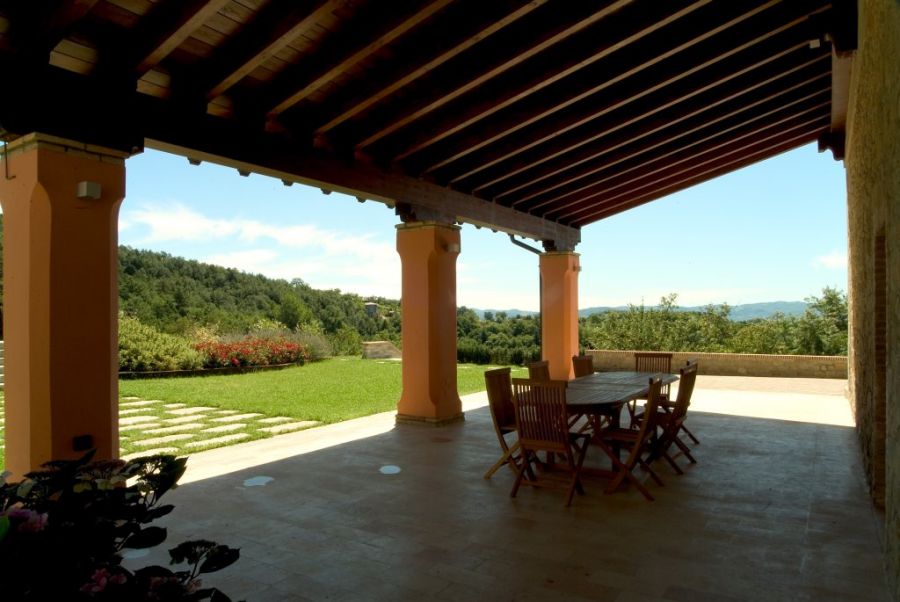
A camera with a normal centre-weighted average metering is going to fail the reading of this and similar scenes.
What's more, he's going to use film, so no chance to recover errors with RAW.
_________________
Orio, Administrator
T*
NE CEDE MALIS AUDENTIOR ITO
Ferrania film is reborn! http://www.filmferrania.it/
Support the Ornano film chemicals company and help them survive!
http://forum.mflenses.com/ornano-chemical-products-t55525.html |
|
| Volver arriba |
|
|
cilinderman
Registrado: 13 Dic 2008
Mensajes: 317
Ubicación: Canillo, Andorra
|
Publicado: Mar Jun 16, 2009 1:28 pm Asunto: |
|
Publicado: Mar Jun 16, 2009 1:28 pm Asunto: |
|
|
cilinderman wrote:
| Orio escribió: |
What's more, he's going to use film, so no chance to recover errors with RAW. |
That's why I really want a lightmeter. Photos must be superbly exposed  .
I'll look for some of the Gossen models. Which ones do you recommend? For getting something new I thought about the Digisix...
Thanks for all your support!
P.S: What a great avatar Orio!
_________________
5D & Fujica ST801|| Carl Zeiss Planar MM 50/1.7 (departed for resurrection) || Carl Zeiss Distagon 28/2.8 AEJ || Meyer Orestor "Pentacon" (relabeled) 135/2.8 || Carl Zeiss Jena 135/3.5 || Carl Zeiss Sonnar MM 85/2.8 || Carl Zeiss Flektogon MC "White" 35/2.4 || Olympus Zuiko OM MC 21/3.5 || Super Takumar 55/1.8 || Rollei Planar HFT 50/1.8 || "The three tenors" from Orio (Nikkor pre-AI 85/1.8, 135/3.5 & 105/2.5) |
|
| Volver arriba |
|
|
Orio
Registrado: 24 Feb 2007
Mensajes: 29545
Ubicación: West Emilia
Expire: 2012-12-04
|
Publicado: Mar Jun 16, 2009 1:48 pm Asunto: |
|
Publicado: Mar Jun 16, 2009 1:48 pm Asunto: |
|
|
Orio wrote:
| cilinderman escribió: |
That's why I really want a lightmeter. Photos must be superbly exposed . |
First thing you sohuld get familiar with the basics of light metering with a hand meter. No need to buy books but a few web readings can help. This is the first one that came up with google:
http://www.ephotozine.com/article/Guide-to-using-a-handheld-light-meter-4748
Make friend especially with the incident reading, which is something that people who only used cameras to meter light are usually not familiar about. Incident reading is a very powerful tool.
| Cita: |
| I'll look for some of the Gossen models. Which ones do you recommend? For getting something new I thought about the Digisix... |
I have no direct experience but judging from the specs, to purchase new I would spend a little more and get a Digiflash, for two reasons:
- it will also meter flashes
- it offers contrast reading which is very helpful for scenes like the patio above (and which the Digiflash does not offer)
| Cita: |
| P.S: What a great avatar Orio! |
thanks
_________________
Orio, Administrator
T*
NE CEDE MALIS AUDENTIOR ITO
Ferrania film is reborn! http://www.filmferrania.it/
Support the Ornano film chemicals company and help them survive!
http://forum.mflenses.com/ornano-chemical-products-t55525.html |
|
| Volver arriba |
|
|
PaulC

Registrado: 23 Dic 2008
Mensajes: 2318
|
Publicado: Mar Jun 16, 2009 1:51 pm Asunto: |
|
Publicado: Mar Jun 16, 2009 1:51 pm Asunto: |
|
|
PaulC wrote:
Whatever you do, make sure you don't end up with a meter that uses batteries that are no longer available. A lot of older meters used a PX13 (or something like that) mercury cell, which has no modern counterpart. Other old meters used selenium cells instead of batteries, which is a nice idea but the cells are often dead. I've got a working (selenium) Weston II from the 1950s, but its area of coverage is very broad (and Weston Units aren't quite the same as ISO). Another problem, pre-1960, is that the ISO scale was changed so even a correctly set meter will give a reading that doesn't match today's figures.
_________________
View or buy my photos at:
http://shutterstock.com/g/paulcowan |
|
| Volver arriba |
|
|
cilinderman
Registrado: 13 Dic 2008
Mensajes: 317
Ubicación: Canillo, Andorra
|
Publicado: Mar Jun 16, 2009 3:45 pm Asunto: |
|
Publicado: Mar Jun 16, 2009 3:45 pm Asunto: |
|
|
cilinderman wrote:
| PaulC escribió: |
| Whatever you do, make sure you don't end up with a meter that uses batteries that are no longer available. A lot of older meters used a PX13 (or something like that) mercury cell, which has no modern counterpart. Other old meters used selenium cells instead of batteries, which is a nice idea but the cells are often dead. I've got a working (selenium) Weston II from the 1950s, but its area of coverage is very broad (and Weston Units aren't quite the same as ISO). Another problem, pre-1960, is that the ISO scale was changed so even a correctly set meter will give a reading that doesn't match today's figures. |
Thanks for the advice! That's really important!
_________________
5D & Fujica ST801|| Carl Zeiss Planar MM 50/1.7 (departed for resurrection) || Carl Zeiss Distagon 28/2.8 AEJ || Meyer Orestor "Pentacon" (relabeled) 135/2.8 || Carl Zeiss Jena 135/3.5 || Carl Zeiss Sonnar MM 85/2.8 || Carl Zeiss Flektogon MC "White" 35/2.4 || Olympus Zuiko OM MC 21/3.5 || Super Takumar 55/1.8 || Rollei Planar HFT 50/1.8 || "The three tenors" from Orio (Nikkor pre-AI 85/1.8, 135/3.5 & 105/2.5) |
|
| Volver arriba |
|
|
berraneck
Registrado: 24 Mayo 2009
Mensajes: 972
Ubicación: prague, czech republic
|
Publicado: Mar Jun 16, 2009 6:43 pm Asunto: |
|
Publicado: Mar Jun 16, 2009 6:43 pm Asunto: |
|
|
berraneck wrote:
Think about Sverdlovsk4, it is very cheap and is suitable to meter correctly also for positive materials like Velvia, which needs to be exposed very accurately. It has also spot metering, which is imho important. But at last, everything is in your hands and experience, so try and learn:)
_________________
equipment doesn´t count, good photographs do |
|
| Volver arriba |
|
|
Attila
Registrado: 24 Feb 2007
Mensajes: 58002
Expire: 2025-11-18
|
Publicado: Mar Jun 16, 2009 6:50 pm Asunto: |
|
Publicado: Mar Jun 16, 2009 6:50 pm Asunto: |
|
|
Attila wrote:
| Orio escribió: |
Attila, most cheap cameras are not equipped to meter correctly a scene like this one:
A camera with a normal centre-weighted average metering is going to fail the reading of this and similar scenes.
What's more, he's going to use film, so no chance to recover errors with RAW. |
I able to make mistake with any light meter  |
|
| Volver arriba |
|
|
Attila
Registrado: 24 Feb 2007
Mensajes: 58002
Expire: 2025-11-18
|
Publicado: Mar Jun 16, 2009 6:51 pm Asunto: |
|
Publicado: Mar Jun 16, 2009 6:51 pm Asunto: |
|
|
Attila wrote:
| Orio escribió: |
Attila, most cheap cameras are not equipped to meter correctly a scene like this one:
A camera with a normal centre-weighted average metering is going to fail the reading of this and similar scenes.
What's more, he's going to use film, so no chance to recover errors with RAW. |
I able to make mistake with any light meter
I think good idea to open a new posts how to measure lights for newbies like me ... please! |
|
| Volver arriba |
|
|
berraneck
Registrado: 24 Mayo 2009
Mensajes: 972
Ubicación: prague, czech republic
|
Publicado: Mar Jun 16, 2009 6:59 pm Asunto: |
|
Publicado: Mar Jun 16, 2009 6:59 pm Asunto: |
|
|
berraneck wrote:
| Attila escribió: |
| I think good idea to open a new posts how to measure lights for newbies like me ... please! |
Hmmm.. measurement of light and exposure is a big science:) Depends which material are you shooting, if BW which developer are you using.. maybe something to be found is here: http://www.apug.org/forums/forum13/
or should i start writing an essay about the little i know about measuring?
_________________
equipment doesn´t count, good photographs do |
|
| Volver arriba |
|
|
Attila
Registrado: 24 Feb 2007
Mensajes: 58002
Expire: 2025-11-18
|
Publicado: Mar Jun 16, 2009 7:22 pm Asunto: |
|
Publicado: Mar Jun 16, 2009 7:22 pm Asunto: |
|
|
Attila wrote:
| berraneck escribió: |
| Attila escribió: |
| I think good idea to open a new posts how to measure lights for newbies like me ... please! |
Hmmm.. measurement of light and exposure is a big science:) Depends which material are you shooting, if BW which developer are you using.. maybe something to be found is here: http://www.apug.org/forums/forum13/
or should i start writing an essay about the little i know about measuring? |
That would be great I look forward your knowledge! Thanks in advance! |
|
| Volver arriba |
|
|
cilinderman
Registrado: 13 Dic 2008
Mensajes: 317
Ubicación: Canillo, Andorra
|
Publicado: Mar Jun 16, 2009 9:55 pm Asunto: |
|
Publicado: Mar Jun 16, 2009 9:55 pm Asunto: |
|
|
cilinderman wrote:
| berraneck escribió: |
| Attila escribió: |
| I think good idea to open a new posts how to measure lights for newbies like me ... please! |
Hmmm.. measurement of light and exposure is a big science:) Depends which material are you shooting, if BW which developer are you using.. maybe something to be found is here: http://www.apug.org/forums/forum13/
or should i start writing an essay about the little i know about measuring? |
Don't look at this link! This is evil! Oh my god, so many information there... arghhhh!
_________________
5D & Fujica ST801|| Carl Zeiss Planar MM 50/1.7 (departed for resurrection) || Carl Zeiss Distagon 28/2.8 AEJ || Meyer Orestor "Pentacon" (relabeled) 135/2.8 || Carl Zeiss Jena 135/3.5 || Carl Zeiss Sonnar MM 85/2.8 || Carl Zeiss Flektogon MC "White" 35/2.4 || Olympus Zuiko OM MC 21/3.5 || Super Takumar 55/1.8 || Rollei Planar HFT 50/1.8 || "The three tenors" from Orio (Nikkor pre-AI 85/1.8, 135/3.5 & 105/2.5) |
|
| Volver arriba |
|
|
Jesito

Registrado: 24 Ago 2007
Mensajes: 5745
Ubicación: Olivella, Catalonia, (Spain)
Expire: 2015-01-07
|
Publicado: Mié Jun 17, 2009 6:57 am Asunto: |
|
Publicado: Mié Jun 17, 2009 6:57 am Asunto: |
|
|
Jesito wrote:
My approach to light metering is quite simple: I use a couple of old Weston Master III light meters that are precise enough for my use and since most of us we're digital now, after some trial-and-error (a couple of shots) I use to get the right settings.
For film I relay on the wider latitude of the colour film...
Regards.
Jes.
_________________
Jesito, Moderator 
Jesito's backsack:
Zooms Sigma 70-300, Tamron 35-135 and 70-210 short, 70-210 long, 28-70 CF Macro, 35-70, 35-80, Vivitar 70-210 KA, Tamron 70-250.
Fixed Industar-50, , Tamron 24mm, Tamron 135mm, Sands Hunter 135mm, Pancolar 50mm, Volna-3, many Exakta lenses
DSLR SIGMA SD9 & SD14, EOS 5D, Sony A700 and NEXF3, Oly E-330, E-400, E-450, E-1
TLR/6x6/645 YashicaMat, Petri 6x45, Nettar, Franka Solida, Brilliant
SLR Minolta X300, Fuji STX II, Praktica VLC3, Pentax P30t, EXA500, EXA 1A, Spotmatic(2), Chinon CM-4S, Ricoh, Contax, Konica TC-X , Minolta 5000, 7000i, 3Sxi, EOS 500 and CX
Rangefinders Chinon 35EE, Konica C35 auto, Canonet 28, Yashica Lynx, FED-2, Yashica electro 35, Argus C3 & C4, Regula Cita III, Voigtlander Vitoret (many), Welta Welti-I, Kodak Signette 35, Zorki-4, Bessa-R & L, Minolta Weathermatic, olympus XA2
Compact Film Konica C35V, Voigtlander Vitorets, Canon Prima Super 105, Olympus XA2 and XA3
Compact Digital Olympus C-5050, Aiptek Slim 3000, Canon Powershot A540, Nikon 5200, SIGMA DP1s, Polaroid X530, IXUS55, Kodak 6490, Powershot G9 and G10
CSCCanon EOS-M, Samsung NX100 and NX210, Lumix G5, NEX-F3 |
|
| Volver arriba |
|
|
Orio
Registrado: 24 Feb 2007
Mensajes: 29545
Ubicación: West Emilia
Expire: 2012-12-04
|
Publicado: Mié Jun 17, 2009 8:04 am Asunto: |
|
Publicado: Mié Jun 17, 2009 8:04 am Asunto: |
|
|
Orio wrote:
| berraneck escribió: |
| measurement of light and exposure is a big science:) Depends which material are you shooting, if BW which developer are you using.. |
Of course these things are true but the number of variables in the process increase only in a second step, that is when you know how the thing works and want to "bend" rules to achieve a certain goal that you have in mind.
In the first step, one has to know how to properly expose to create a well balanced result, and this is done in a few standard ways, of course with some attention given to the different medium.
I will do some natural light metering tutorial when I have time. Metering natural light is one of the things that I know better in photography. I am not able to meter flashes yet but that would require really a different tutorial anyway.
_________________
Orio, Administrator
T*
NE CEDE MALIS AUDENTIOR ITO
Ferrania film is reborn! http://www.filmferrania.it/
Support the Ornano film chemicals company and help them survive!
http://forum.mflenses.com/ornano-chemical-products-t55525.html |
|
| Volver arriba |
|
|
Attila
Registrado: 24 Feb 2007
Mensajes: 58002
Expire: 2025-11-18
|
Publicado: Mié Jun 17, 2009 10:56 am Asunto: |
|
Publicado: Mié Jun 17, 2009 10:56 am Asunto: |
|
|
Attila wrote:
Thank you Orio in advance! |
|
| Volver arriba |
|
|
OregonJim

Registrado: 21 Abr 2009
Mensajes: 14
Ubicación: Willamette Valley, Oregon
|
Publicado: Vie Jun 19, 2009 8:11 am Asunto: |
|
Publicado: Vie Jun 19, 2009 8:11 am Asunto: |
|
|
OregonJim wrote:
| cilinderman escribió: |
That's why I really want a lightmeter. Photos must be superbly exposed .
I'll look for some of the Gossen models. Which ones do you recommend? |
I use two old Gossen standbys - the Luna Pro and the Pilot.
The Pilot is tiny and needs no batteries - you can stick it in your pocket easily. I almost always have it with me.
The Luna Pro is bigger (but easier to read), takes a pair of 625 PX batteries, and has a 'hold' function which can be handy. The batteries may be hard to find locally, but you can get them on eBay or from Batteries Plus. They last forever - I replaced mine about 5 years ago and they're still going fine.
Both will do incident/reflected readings. You can pick up a used Pilot for about $25-30US. The Luna Pro usually goes for twice that.
Just my 2 cents... |
|
| Volver arriba |
|
|
cilinderman
Registrado: 13 Dic 2008
Mensajes: 317
Ubicación: Canillo, Andorra
|
Publicado: Vie Jun 19, 2009 12:01 pm Asunto: |
|
Publicado: Vie Jun 19, 2009 12:01 pm Asunto: |
|
|
cilinderman wrote:
| OregonJim escribió: |
| cilinderman escribió: |
That's why I really want a lightmeter. Photos must be superbly exposed .
I'll look for some of the Gossen models. Which ones do you recommend? |
I use two old Gossen standbys - the Luna Pro and the Pilot.
The Pilot is tiny and needs no batteries - you can stick it in your pocket easily. I almost always have it with me.
The Luna Pro is bigger (but easier to read), takes a pair of 625 PX batteries, and has a 'hold' function which can be handy. The batteries may be hard to find locally, but you can get them on eBay or from Batteries Plus. They last forever - I replaced mine about 5 years ago and they're still going fine.
Both will do incident/reflected readings. You can pick up a used Pilot for about $25-30US. The Luna Pro usually goes for twice that.
Just my 2 cents... |
Great! Thank you so much!
_________________
5D & Fujica ST801|| Carl Zeiss Planar MM 50/1.7 (departed for resurrection) || Carl Zeiss Distagon 28/2.8 AEJ || Meyer Orestor "Pentacon" (relabeled) 135/2.8 || Carl Zeiss Jena 135/3.5 || Carl Zeiss Sonnar MM 85/2.8 || Carl Zeiss Flektogon MC "White" 35/2.4 || Olympus Zuiko OM MC 21/3.5 || Super Takumar 55/1.8 || Rollei Planar HFT 50/1.8 || "The three tenors" from Orio (Nikkor pre-AI 85/1.8, 135/3.5 & 105/2.5) |
|
| Volver arriba |
|
|
Nesster
Registrado: 24 Abr 2008
Mensajes: 5883
Ubicación: NJ, USA
Expire: 2014-02-20
|
Publicado: Vie Jun 19, 2009 2:39 pm Asunto: |
|
Publicado: Vie Jun 19, 2009 2:39 pm Asunto: |
|
|
Nesster wrote:
I have the Pilot as well - it's a nice meter, and the cell should last for a long time as it spends most of its life in a dark clam shell case. But I find even normal indoor light starts to challenge it's sensitivity.
There are many variants of the Luna Pro or Luna Lux - some with extra capabilities, some with just the reflected and incident. Mine (SBC) uses standard household 9v batteries, which also seem to last forever.
_________________
-Jussi
Camera photos
Print Photographica
|
|
| Volver arriba |
|
|
|
|
 Español
 中文
 Magyar
 Русский
 Deutsch
 日本語
 Français